chatterbox

Sunday, 8 July 2012

How to make Gajar ka Halwa?

Gajar (Carrot) Halwa also known as gajrala is a traditional Punjabi dessert made with carrots and milk. Gajar Halwa is delicious warm or cold.
Recipe serves 4
Image Detail 
Ingredients:
  • 2 cups shredded carrots
  • 2 cups milk
  • 3 tablespoons unsalted butter
  • 1/4 cup sugar
  • 1/2 teaspoon cardamom powder
  • 6 chopped roasted cashew nuts (To garnish)
Method:
  1. Roast the cashew nuts and set aside for the garnish.
  2. Boil the milk on medium-high heat in a non-stick pan until it is reduced to about to 1 cup. Stir often to ensure the milk does not burn in the bottom of the pan. Set aside.
  3. Melt the butter in a frying pan on medium heat.
  4. Add the shredded carrots and stir-fry for about seven to eight minutes.
  5. Carrots should be tender and slightly changed in color.
  6. Add the milk and cook until the milk dries. This will take about eight to ten minutes.
  7. Next add the sugar, and cardamom powder and stir-fry for another three to four minutes until the halwa starts to leave the side of frying pan.
  8. Garnish with cashew nuts.
Tips:
Gajar Halwa can be refrigerated for up to one week and kept in the freezer for up to two months. When ready to serve just warm.
Suggestion:
Cook the halwa a little more and pour on a greased plate. Spread the halwa until it is flat and 3/4 inch thick. After the halwa cools, cut in squares. Garnish with cashew nuts or sliced almonds.

Saturday, 7 July 2012

How to make Indian pasta?

Image DetailIndian-style Pasta

Ingredients

Pasta - 1 cup
Water - 3 cups
chopped onions - ¼ cup (Finely chopped)
tomatoes- ¼ cup (finely chopped)
Ginger-garlic paste - 1 tsp
Green chilly- 1 (finely chopped)
Chilly powder/ hot sauce - 1 tsp
Garam masala - ¼ tsp
All purpose flour - 1 tblsp
Milk - 3 tblsp
Oil- 2 tsp
Salt- to taste
Coriander leaves- for garnishing


Method

1. In a deep pan heat water and bring it to a boil.
2. Add pasta and let cook for 8 minutes, until it is fully cooked (soft but firm).
3. Drain the water and keep aside.
4. In a pan heat oil.Saute the onions and green chilly till golden brown.
5. Next add the ginger garlic paste.Next add tomatoes and saute the mixture.
6. Now add the flour and cook for a minute. Next add the milk,chilly powder/chilly sauce, salt and garam masala.
7. Mix well and then add the pasta.
8. Toss everything together and garnish with coriander leaves.

Monday, 2 July 2012

Problem of Population in India

Population is a subject of which the perception varies with the viewpoint of the observer. To the demographer it is an exercise in statistics, to the politician a matter of votes, to the economist it is dissipation of wealth, to the bureaucrat a problem of feeding, clothing, educating and housing the masses and to the industrialist a source of labour. For the affluent countries and the small affluent class in the poor countries it poses a threat to the existing order on which they thrive.

A variety of quick fix Western ‘scientific’ techno-managerial solutions have been devised to control the fertility of the proliferating masses of the world. This highly coercive strategy is being operated through the health departments of the developing countries against the ‘eligible’ female. This is strongly promoted by international agencies with massive funding for such programmes through the national governments. This has nevertheless failed to achieve the targets.

In the absence of a concomitant desire to promote the social and economic development and welfare, the poor realise that it is children who provide them the only source of love and economic security in an increasingly hostile world. The increasing population, despite such single-minded coercive programmes for control of their fertility shows how a programme designed by the ‘haves’ to serve their own interests cannot inveigle the poor who devise their own methods for evading what they know goes against their overall welfare.

Forceful implementation, especially against the male during the emergency, even led to the overthrowing of a government. This has resulted in more benign sounding strategies and programmes like IUD, immunization, MTP, Maternal and Child Health, laparoscopic tubectomy, ‘non-scalpel’ vasectomy, Norplant injectable contraceptives and vaccines, combined with crude incentives and disincentives for their acceptance. The change of name of these basically medical solutions for what is essentially a social problem into heavily externally funded ‘Family Planning’ and ‘Family Welfare’ programmes has not only failed to entice the poor to control their fertility but has also affected the Primary Health Care programme through which it is carried out. In the process it has also disrupted the medical and health services which serve the felt needs of the poor.

No amount of mere changing of the names of the programmes or of the projects/activities can convince them that there is a change of heart. This can be achieved only by visible improvement in fields like education, health and rural development.

The close association between poverty, family size and population is observed not only in sub-Saharan countries, as at present, but was also observed in countries like the UK during the early days of the industrial revolution. Over production is nature’s method for ensuring survival of the species. This is also demonstrated in our northern BIMARU states as compared to those of the South. It is also seen within each state between the reproduction rate of the rich and poor, which is concealed by aggregate statistics.

And yet it is our own state of Kerala which most vividly demonstrates that it is not necessary to await affluence as in countries like Germany to achieve a NRI (Net Reproductive Index) of 1, and even below the replacement level, since Kerala has already achieved this with an annual per capita expenditure on health equivalent to US$ 15 as compared with US$ 3000 of Germany.

The intimate connection between education of the female and family size can be achieved at an economic level, which is within the reach of most countries of the world. Education of the female is desirable not only for population control but even more so for its own sake as it initiates a cascade of other social and economic changes. The care of much of the health and medical functions including family size lies within her capacity and can be achieved more cost effectively in an accessible and humane manner.

The depletion and pollution of the natural resources of our planet is far more the result of wasteful utilisation by an affluent few rather than that of the marginalized masses.

Health and medical care can serve only as a vehicle for reaching technology to those who desire to voluntarily limit the size of their family.

The regulation of family size cannot be imposed as a national programme by political fiat. Their role is to create the climate and opportunity for demand and utilization of reproductive technology.
Overall, social and economic development is the prerequisite for the control of population. This is feasible well within our existing resources if these are distributed in a reasonably equitable manner. The prime requirement for this is the political will, which is unfortunately dominated by a select few.

How to make Shahi Paneer?


Ingredients:

  1. Paneer (Cheese)- 250 grams
  2. Milk- 1/2 cup
  3. Onions- 2, medium size
  4. Tomatoes- 2
  5. Ginger slices- ½ inch
  6. Green Chilies- 3, finely chopped
  7. Garlic- 3 flakes
  8. Turmeric Powder- 3/4 tsp
  9. Garam Masala- 1/2 tsp
  10. Red Chilli Powder- 3/4 tsp
  11. Vegetable oil- 2 tbsp(for cooking)
  12. Water- 1/2 cup
  13. Fresh cream- 1 tsp
  14. Enough oil for frying paneer
  15. Salt according to your taste
  16. Roasted cashew and pistachios- 1/4 cup
  17. Chopped coriander

Method

  1. Cut the panner into small cubes
  2. Heat the oil in wok/kadai.
  3. Fry the paneer (cheese) cubes until turns to light brown.
  4. Remove the paneer pieces from wok/kadai and keep them aside.
  5. Make the fine paste of onion, ginger, garlic and green chillies by grinding in blender.
  6. After that blend the tomatoes to make fine paste.
  7. Heat 2 tbsp oil in another pan and Fry this paste until it gets golden brown.
  8. Add tomato paste, red chilli powder, turmeric, white pepper, stir for 2-3 minutes.
  9. Now add milk to the gravy and boil it.
  10. Add garam masala and salt, saute it for a minute.
  11. Now reduce the heat and cook it until it becomes thick.
  12. Add half of the dry fruits to gravy.
  13. Add cream and paneer cubes to gravy, and cook it for another 4-5 minutes.
  14. Remove from the heat and garnish with remaining dry fruits and chopped coriander.
  15. Serve hot with roti or naan.

Monday, 25 June 2012

How to make Rajma?

 
Ingredients:


150 gms Kidney Beans (Rajma)
2 medium sized Onion (Pyaj)
1 large Tomato (Tamatar)
2 Green chilli (Hari mirch)
1 tblsp Ginger-garlic (Adrak-Lasun) Paste
1/2 tspn Garam masala Powder
1 tsp Coriander (Dhania) Powder
3/4 tsp Salt (Namak)

How to make simple rajma curry:
  • Soak the rajma overnight.
  • Boil in a pressure cooker till tender.
  • Heat oil in a pan and add the chopped onions and ginger garlic paste.
  • Cook till brown.
  • Add the tomatoes, green chillies and cook till pulpy.
  • Add coriander powder, salt and 2 cups water and boil well.
  • Add the rajma and cook on a low flame for about 10 minutes.
  • Add the garam masala powder and cook further for another 15 minutes or till the gravy thickens.
  • Garnish with coriander leaves.
  • Serve hot with steamed rice.

Monday, 18 June 2012

How to make Gobi(Cauliflower) Manchurian?

 
Ingredients of Gobi manchurian :


1 medium Gobi (Cauliflower)
3/4 cup Flour (Maida)
1 tbsp Corn Flour
Salt to taste
1 Chopped green chili
11/2 tbsp Garlic Paste
11/2 tbsp Ginger Paste
1 cup finely Chopped Onions
Finely Chopped Coriander Leaves
1/4th tsp Ajinomoto
2 tbsp Soya Sauce
2-3 tbsp Tomato Ketchup
2 tbsp Oil

Preparation of gobi manchurian :
  • Make a paste of maida, corn flour and salt using water.
  • Take a tsp. of ginger and garlic paste, add it to the paste.
  • Dip the gobi florets in the paste and deep fry till golden brown. Keep aside.
  • Heat oil in another pan and add the left ginger & garlic paste, chopped onions and green chili to it.
  • Now, mix aginomoto, soya sauce and tomato sauce to it.
  • Add fried Gobi kept aside and mix well. Garnish it with coriander leaves. Serve the gobi manchurian hot.

Wednesday, 13 June 2012

How to make Hakka Noodles?


Things You'll Need

  • 2 cups or 1 packet boiled noodles (For noodles follow the directions on the packet)
  • 3 dried red chilies
  • A large pinch of ajinomoto salt
  • 1 small bunch spring onion
  • 1 small capsicum thinly sliced
  • 1 small carrot thinly sliced
  • 2 tsp garlic finely chopped
  • 1/2 tsp vinegar
  • Salt to taste
    1 1/2 tbsp oil

Steps

1
Chop the spring onions into 1/4" pieces slanting. Pound red chilies and garlic coarsely.
2
Heat 1 tbsp oil in the non stick pan, add chili and garlic and fry for a minute. Add the capsicum and carrot and fry till tender.
3
Add the spring onion and fry again for 2-3 minutes. Also add noodles and salt and mix well. Now add the ajinomoto and vinegar to taste. Mix well and serve hot.

Tips

  • Use tender and fresh vegetables
  • cooking on high heat will ensure that vegetables retain their colour.
  • Keep ready-made sauces such as garlic chilly sauce handy.
  • Buy a good wok or broad and shallow fryng pan for cooking chinese food.

Caution

  • Use MSG sparingly
  • Remember: vegetables should not be overcooked

Naveed my Bro...

This is my small Bro, Naveed alam of age 7, and he loves singing, here's a song CHAMMAK CHALLO sung by him, hope you all like it.... He is soooooo cute...

Tuesday, 12 June 2012

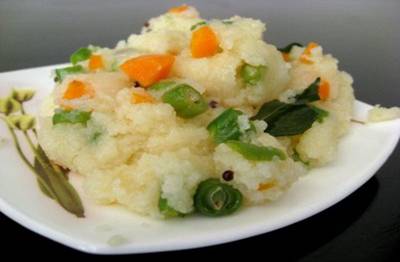
How to make vegetable upma?

I 
Ingredients
Olive oil 1 tablespoon

Black mustard seeds (radhuni)1/4 teaspoon

Split black gram skinless (dhuli urad dal)1 teaspoon

Curry leaves6-8

Onion ,chopped1 small

Carrot,diced1 small

French beans,1 cm pieces3-4

Salt3/4 teaspoon

Ginger,chopped1 small piece

Green chillies,slit2

Green peas25 grams

Green capsicum,seeded and diced1/2 medium

Semolina (rawa/suji),roasted180 grams

Lemon juice2 tablespoons

Fresh coriander leaves,chopped2 tablespoons

Method
Heat the oil in a deep pan. Add the mustard seeds and split black gram. When the seeds begin to splutter, add the curry leaves and onion and sauté until lightly browned.
Stir in the diced carrot and French beans, add the salt and cook on a medium heat until the vegetables soften.
Add the ginger, green chillies, peas and diced pepper. Mix well, then add 500ml water and let it come to the boil. Cover and cook, on a medium heat, until the vegetables are done.
Stir in the semolina, cover and cook on a medium heat until the water has been absorbed and the semolina is tender – about 3–4 minutes. Stir in the lemon juice and coriander leaves, and serve.

Monday, 11 June 2012

How to make Gulab jamun?


Gulab Jamun
Ingredients:


1 cup Carnation Milk Powder
1/2 cup all purpose flour
1/2 tsp baking soda
2 tablespoons butter -melted
Whole milk just enough to make the dough

For the Sugar Syrup
2 cups Sugar
1 cup water
Oil for frying

How to make gulab jamun:
  • Make the dough by combining the milk powder, Bisquick, butter. Add just enough whole milk to make a medium-hard dough. Divide the dough into 18-20 portions. Make balls by gently rolling each portion between your palms into a smooth ball. Place the balls on a plate. Cover with a damp yet dry kitchen towel.
  • Heat the oil on high and then lower the heat to medium. Slip in the balls into the hot oil from the side of the pan, one by one. They will sink to the bottom of the pan, but do not try to move them. Instead, gently shake the pan to keep the balls from browning on just one side. After about 5 mins, the balls will rise to the surface. The Gulab Jamuns should rise slowly to the top if the temperature is just right. Now they must be gently and constantly agitated to ensure even browning on all sides.
  • If the temperature of the oil is too high then the gulab jamuns will tend to break. So adjust the temperature to ensure that the gulab jamuns do not break or cook too quickly.
  • The balls must be fried very slowly under medium temperatures. This will ensure complete cooking from inside and even browning.
Sugar Syrup
  • The syrup should be made earlier and kept warm. To make the hot sugar syrup add mix the 2 cups of sugar to 1 cup of water. Add 4-5 cardamom pods, slightly crushed and a few strands of "Kesar". Mix with a spoon and then heat at medium heat for 5-10 minutes until sugar is all dissolved in water. Do not overheat, that will caramelize the sugar.
  • Transfer this hot syrup into a serving dish. Keep warm on stove. Add the fried gulab jamuns directly into the warm syrup. Leave gulab jamun balls in sugar syrup overnight for best results. They can be served warm or at room temperature.

Sunday, 10 June 2012

How to make Bombay pav bhaji?


Ingredients
Potatoes,boiled and mashed4 medium

Tomatoes,chopped4 medium

Onions,chopped 2 medium

Green capsicum,chopped deseeded1 medium

Cauliflower,grated 1/4 small

Green peas,shelled 1/4 cup

Ginger,chopped 1 inch piece

Garlic 8-10 cloves

Oil 3 tablespoons

Green chillies,chopped 3-4

Pav bhaji masala1 1/2 tablespoons

Salt to taste

Butter 3 tablespoons

Pav8

Fresh coriander leaves,chopped 1/4 cup

Lemons,cut into wedges 2

Method
Boil green peas in salted water till soft, drain, mash lightly and set aside. Grind ginger and garlic to a fine paste. Heat oil in a pan and add three fourth quantity of onions. Sauté till light brown. Add green chillies and ginger-garlic paste. Stir-fry for half a minute. Add half the quantity of tomatoes and cook on medium heat for three to four minutes, stirring continuously or till oil separates from the masala. Add capsicum, mashed peas, cauliflower, potatoes and one and half cups of water. Bring it to a boil and simmer for ten minutes, pressing with back of the spoon a few times, till all the vegetables are completely mashed. Add Pavbhaji Masala, salt and remaining tomatoes. Cook on medium heat for two minutes, stirring continuously. Heat half of the butter in a thick-bottomed pan or a tawa. Slice pav horizontally into two and pan fry in butter for half a minute, pressing two or three times or till pav is crisp and light brown. Garnish the bhaji with chopped coriander leaves, remaining butter and serve hot with pav accompanied with remaining chopped onion and lemon wedges.

How to make PALAK PANEER?

http://www.courier-journal.com/blogs/vel16/uploaded_images/palak_paneer_spinach_indian_cheese-752268.JPG

Ingredients
Spinach2 large bunches

Cottage cheese (paneer)200 grams

Green chillies 2-3

Garlic 8-10 cloves

Oil 3 tablespoons

Cumin seeds 1/2 teaspoon

Salt to taste

Lemon juice 1 tablespoon

Fresh cream 4 tablespoons

Method
Remove stems, wash spinach thoroughly in running water. Blanch in salted boiling water for two minutes. Refresh in chilled water. Squeeze out excess water. Remove stems, wash and roughly chop green chillies. Grind spinach into a fine paste along with green chillies. Dice paneer into one inch by one inch by half inch pieces. Peel, wash and chop garlic. Heat oil in a pan. Add cumin seeds. When they begin to change colour, add chopped garlic and sauté for half a minute. Add the spinach puree and stir. Check seasoning. Add water if required. When the gravy comes to a boil, add the paneer and mix well. Stir in lemon juice. Finally add fresh cream. Serve hot.

One and only Sonu Nigam


Sonu Nigam

Background information
Born 30 July 1973 (age 38)
Faridabad, Haryana, India
Genres Pop, playback singing
Occupations Singer, Actor, Music Director, Television presenter, Radio jockey
Instruments Vocals
Years active 1985–present
Website sonunigam.in
Notable instruments
vocals harmonium drums
Sonu Nigam (born 30 July 1973 in Faridabad, Haryana, India) is an Indian singer whose songs have been featured in numerous Hindi and Kannada movies, as well as films in Tamil, Assamese, Punjabi, Bengali, Marathi and Telugu. He has also released numerous Indi-pop albums and acted in a few Hindi movies. He had changed the spelling of his last name from 'Nigam' to 'Niigaam' in accordance with numerology, but later returned to the original spelling 'Nigam'.

Career

Early years and playback singing

Sonu Nigam began his singing career at the age of three, when he joined his father on stage to sing Mohammed Rafi's "Kya Hua Tera Vaada, Wo Kasam Wo Irada". From then on Sonu accompanied his father on his singing appearances at weddings and parties. In his teenage years he successfully participated in several music competitions. He moved to Mumbai with his father to begin his Bollywood singing career at the age of 19.
His initial years in Mumbai proved to be a struggle, beginning by singing covers of Mohammed Rafi songs, mainly for a number of Rafi Ki Yaadein albums released by T-Series. T-Series promoter Gulshan Kumar played a key role in identifying Nigam's talent by giving him a chance to reach a larger audience. These albums contributed to T-Series for some years although Nigam's singing style was regarded by some to be like that of a "Rafi clone". Nigam's first movie song as a playback singer was Janam (1990), which was never officially released. He also got a break in radio commercials until he appeared on the popular TV show Sa Re Ga Ma, after which there was no turning back. He was trained by classical singer Ustad Ghulam Mustafa Khan.
Nigam started hosting Sa Re Ga Ma in 1995 with the first episode airing on 1 May 1995. The television singing talent competition soon became one of the most popular shows on Indian television. Soon after, he sang "Accha Sila Diya" on the album Bewafa Sanam (1995), which was very successful. Singing offers started pouring in thereafter, albeit slowly at first. He rose to fame with the Anu Malik-composed song "Sandese Aate Hain," in Border in 1997. Sonu's Album "Deewana" with released with T-Series in 1999, identified his talent of singing romantic songs and remains one of the most successful albums ever. Sonu's image as a 'Rafi clone' changed after his rendition of the Nadeem-Shravan-composed song "Yeh Dil Deewana" in Pardes in the same year. Since then, he has created a unique style and has become a role model for emerging vocal talent in India.
Over the years, Nigam has become a major force in the Indian music industry. He has provided playback singing for a large number of Hindi movies and won many awards. His rendition of the title song of the film Kal Ho Naa Ho has been very popular. He is recognized for his singing of romantic, rock, sad, and patriotic songs. Nigam has sung songs in many languages besides Hindi, including Kannada, Bengali, Oriya, Punjabi], Tamil, |Telugu, English, Bhojpuri, Urdu, Nepali, Chhattisgarhi, Malayalam and Marathi.

Pop albums and concerts

Sonu has released a number of pop albums, in Hindi, Punjabi and Kannada. The most recent addition to his Hindi releases is Classically Mild, a semi-classical album. He has also released Hindu and Islamic devotional albums, as well as albums of Mohammed Rafi's songs. These are from the Rafi Ki Yaadein collection in his early years, which have been re-released in September 2007 as a six-disc collection of 100 songs, titled Kal Aaj Aur Kal, in Mohammed Rafi's memory. In 2008, soon after releasing Classically Mild, he released a single Punjabi track called "Punjabi Please" and Rafi Resurrected, a two-disc collection of Mohammed Rafi songs with music by the Birmingham Symphony Orchestra. He has contributed to the lyrics of several of his album songs and directed the music for his album Chanda Ki Doli. His last album was Neene Bari Neene in Kannada.
After the death of Michael Jackson, of whom Sonu Nigam was considerably influenced (as is evident in his rendition of "Dil Deewana" in Pardes), Nigam released a tribute song to Jackson in collaboration with his fans on Facebook. The song made it to an 18-song global compilation of tribute songs CD The Beat of Our Hearts.
Sonu Nigam has also collaborated with Britney Spears on a remix of her "I Wanna Go" track.
Over the years, Nigam has given concert performances in many countries, including the United States, Canada, the UK, France, Germany, Belgium, Holland, Spain, Australia, New Zealand, Pakistan, Nepal, Bangladesh, Russia, Afghanistan, the UAE, Kuwait, Saudi Arabia, Thailand, Indonesia, Singapore, Malaysia, West Indies, Suriname, Mauritius, Nigeria and South Africa. In May/June 2007, he participated in a star-studded show in North America called "The Incredibles," in which Asha Bhosle, Kunal Ganjawala and Kailash Kher participated. In September and October of the same year, he gave solo concerts titled "Simply Sonu" in Canada and Germany (becoming the first Indian singer to perform in the latter country). In April 2008, he did a marathon of concerts in cities in India, promoting his Punjabi single "Punjabi Please".]
In November 2007, at the inauguration of Harvard University's 28th president, Dr. Drew Gilpin Faust, Nigam sang Mahatma Gandhi's favorite bhajan, "Vaishnav Jan To Tene Kahiye", with the Harvard College Sangeet.
In July 2008, he participated in a three-city tour of the United Kingdom, singing Mohammed Rafi songs with the City of Birmingham Symphony Orchestra]. This followed the release of these songs by the CBSO and the Indian music company Sa Re Ga Ma in the album Rafi Resurrected.
Amongst several other concerts, he notably participated in a US tour with Sunidhi Chauhan in 2009 called "The Explosion 2009" tour and in a UK tour titled "All Izz Well" in November 2010. He is now going to share stage in April 2012 with Atif Aslam at The O2 Arena, London in Flex FX Dhamaka concert to promote love, peace & unity among India and Pakistan.

Radio and acting

In 2006, Sonu Nigam hosted his own radio show called Life Ki Dhun with Sonu Niigaam on Radiocity 91.1 FM, where he had the opportunity to interview music industry greats, including Lata Mangeshkar on the last aired episode.
Nigam's acting career started as a child artist in a number of films including 1983's Betaab. As an adult, he has acted in a few more films, namely Jaani Dushman: Ek Anokhi Kahani alongside Sunny Deol, Manisha Koirala and Akshay Kumar as well as other actors; Kash Aap Hamare Hote, where he plays the male lead opposite Juhi Babbar, daughter of Raj Babbar; and most recently, Love in Nepal with Flora Saini and Sweta Keswani, where he again plays a leading role. None of the films have done well at the box office, although his acting was much better appreciated in his last venture. He has not taken up acting since Love in Nepal, but has recently been said to be involved in another film as a lead actor. The film, called Ankhon Ankhon Mein, is about a blind singer.

Television

Sonu Nigam was the host of Sa Re Ga Ma from 1 May 1995 to 1999. He was the first host. He returned on Sa Re Ga Ma Pa L'il Champs International as a judge with Suresh Wadkar in October 2007. Nigam was a celebrity judge on the Sa Re Ga Ma Pa Mega Challenge grand finale on 12 December, 2009 which marked the 1000th episode.
He hosted the TV show Kisme Kitna Hai Dum on Star Plus in 2002.
Nigam appeared as the judge for Indian Idol in season 1 (October 2004–March 2005) and season 2 (November 2005–April 2006). He was a celebrity judge in season 3 (17 August 2007) and season 4 (16 January 2009 and 6 February 2009).
He also appeared as a celebrity judge on Amul STAR Voice of India in August 2007 (Season 1) and in December 2008 (Season 2) and on the grand finale of music reality show Jo Jeeta Wohi Super Star on 12 July 12, 2008.
Nigam was a judge/mentor on Chhote Ustaad - Do Deshon Ki Ek Awaaz (July 2010–October 2010) with Rahat Nusrat Fateh Ali Khan.
Nigam lend his voice for the lead character, Aladdin in the Hindi translated version of Aladdin animated movie.
He was a judge/mentor on the first season of X Factor (India) (May 29, 2011 – September 2, 2011) along with Sanjay Leela Bhansali and Shreya Ghoshal.

Future projects

Nigam is working on an English album called Spirit Unfolding.
He is working on a project called Time Travel, wherein his voice will be aligned with recordings of other singers in Hindi songs.

In Kannada

Sonu Nigam’s first Kannada song was in the year 1996 from the film Jeevanadi starring South Super Star Dr. Vishnuvardhan and the song was ‘Ello Yaro Hego’ composed by Music director Koti and written by Kannada’s very popular lyricist R.N.Jayagopal. Sonu Nigam has sung almost 600 Kannada songs until date and has also won filmfares, Kannada television awards etc for his Kannada blockbuster songs. Though he sang hit songs initially like ‘Cheluve Yeke Bande’ from the film Majnu composed by Gurukiran, ‘Usire Usire’ from Huccha composed by Rajesh Ramnath, Title track from the film Monalisa composed by Valisa Sandeep, Hamsave Hamsave from the film Gatti mela composed by Hamsalekha, Kannale Kannale from the film Aham Premasmi composed by V.Ravichandran, Baaninda Baa Chandira from the movie Kanti composed by Gurukiran, it was in 2006 blockbuster film Mungaru Male that created a sensation and several records, mainly in Karnataka that Sonu Nigam shot to fame. The songs not only created records of highest sales and downloads, but the film too set a national record on December 29, 2007 of having completed 1 whole year at the PVR Cinemas Bengaluru. This was the first time in the history of any multiplexes in the national level that an India language film has had a one whole year run at the box office where films keep changing every week. The songs Mungaru Maleye and Anisuthide were composed by Mano Murthy and written by Yogaraj Bhat and Jayant Kaikini respectively. He never looked back from then. Sonu Nigam became a sensation in the South and is called the Golden Singer of Karnataka and he himself says that he finds Kannada songs more fulfilling than the Hindi numbers. Sonu Nigam, in a recent interview to the Deccan Herald news paper has said ‘Kannada songs make me feel positive’.
After that, his blockbuster hits like Kanaso Idu, Ade Bhoomi Ade Baanu, Ee Sanje Yaakaagide, Ninna Gungalle, Maayavi Maayavi, Gelathi Neeniruvaaga, Ello Maleyaagide, Ninnindale Ninnindale, Male Ninthu Hoda Mele, Aaramagi Idde naanu, Maayavaagide manassu, Maathinalli helalaarenu, Odi Bandenu, Ninnanne Nodutha, Athi Aparoopa, Udisuve Belakina Seereya, Nooraru Preethi Maathu, Janumada Jodi, Minchaagi Neenu, Jeeva Kaleva, Onde Samane, Neeralli Sanna, Eradu Jadeyannu, Hethavalalla Avalu, Yaava Seemeya, Ellavannu Heluvaase, Nudisale, Nodutha Nodutha, Nee Sanihake Bandare, Yeno Helabeku, Maleyali Jotheyali, Paravasha, Maanasa Gange, Gup Chup, Modada Olage, Aaakasha Neene, Dil Khush, Kan Kanna Salige, Maathu Nannolu, Neenendare Nannolage, Neenendare Nanage Ishta, Ille Ille Ello, Ninna Kannallide, Summane Yaake Bande, Hrudayave Bayaside Ninnane, Ee Sanje Mabbu Raathri, Ee Janmavu, Ninna Nodalentho, Enaagali Munde, Putta Putta Kai, Munduduva, Kannaliddare Kanassu, Gaaliye Nodu Baa, Ninninda Haaganthe, Bhoomi Suthodu, Onde Samane Mididide Ee Manassu, Hrudayavu Ninnade, Maleya Haniyalli, Ommomme Yaako, Preethiyali Haaduve Ninagoskara, Ondooral Oblu Cheluve, Kaddu Nodala, Mathe Mathe Ninna, Enaaytho Adeneyatho, Sanju Mathu Geetha, Jotheyalli Nee Baaro, O Gunavantha, Baa Maleye Baa, Dhim Dhim, Nijaana Naanenaa, Koncha Hunnime, chalisuvaa cheluve, Ee Bisilali, Midiva Ninna Hrudayadalli, Onde Ninna Nota Saaku and many more have struck the chord with the audience in such a way that he has a very huge fan following in Karnataka.
And with the same record breaking Mungaru Male combination, Music Director Mano Murthy, lyricist Jayant Kaikini and Sonu Nigam got together with the Kannada album Neene Bari Neene produced by Ashok Kheny. All songs from the album were big hits. Especially the two songs Neene Bari Neene and Baa Nodu Gelathi that were shot in the outskerts of Bengaluru featuring Sonunigam and Model Madhuri Bhattacharya in the lead. Sonu Nigam also composed a theme song for the Karnataka Bulldozer's team in the Celebrity Cricket League. The song was sung by Sonu Nigam himself, Kunal Ganjawala and Sowmya Raoh, who also penned the lyrics.

Dubbing career

Sonu Nigam is also in the Dubbing Industry on where he voices certain roles in Hindi from foreign films, especially Hollywood films.

Dubbing Roles

Animated Films
Film title Original Voice Character Dub Language Original Language Original Year Release Dub Year Release
Disney's Aladdin Scott Weinger
Brad Caleb Kane (Singing)
Aladdin Hindi English 1992 2005
Rio Jesse Eisenberg Blu Hindi English 2011 2011

Personal life and voluntary work


File:Sonu Nigam.jpg
Sonu Nigam during a Peace Rally in Mumbai on 20th November 2011
Sonu Nigam comes from a merchant family. Born to Agam Kumar Nigam and Shobha Nigam on 30 July 1973 in Faridabad, Haryana, India, he attended the J.D. Tytler School. He has two sisters, Meenal and Neekita. In the last few years his father has released several hit albums including "Bewafaai" and "Phir Bewafaai" and, more recently, "Bewafaai ka Aalam". Neekita is also an upcoming singer and has several songs and awards to her name, both in Hindi and Kannada. Sonu married Madhurima on 15 February 2002. They have a son, Nevaan, born in 2007. Nevaan is also very interested in music and has recently recorded a song with Lata Mangeshkar.
Sonu Nigam practices fitness and yoga exercises, and has trained in Taekwondo. He claims to be spiritual rather than religious.
Nigam has done work for various charities in India as well as abroad for Dignity Foundation, various cancer organizations, leprosy organizations, blindness organizations, women's welfare organizations, kargil war affected families, earthquake affected families. He also sponsors a child from the organization “Crayon”. He has made various appearances in the cause of HIV / AIDS and also has a song titled "Papa I'm sorry" relating to this. He has also released several songs and made several contributions to the cause of peace between India and Pakistan.

Awards and nominations

Following are the awards and nominations for Sonu Nigam
  • National Film Awards
    • 2004 - Won - National Film Award for Best Male Playback Singer - "Kal Ho Naa Ho" - Kal Ho Naa Ho
  • Filmfare Awards
    • 1997 - Nominated - Best Male Playback Singer - "Sandese Aate Hain" - Border (with Roop Kumar Rathod)
    • 1999 - Nominated - Best Male Playback Singer - "Ishq Bina" - Taal
    • 2000 - Nominated - Best Male Playback Singer - "Tu Fiza Hain" - Fiza
    • 2000 - Nominated - Best Male Playback Singer - "Panchhi Nadiyaan" - Refugee
    • 2001 - Nominated - Best Male Playback Singer - "Suraj Hua Maddham" - Kabhi Khushi Kabhie Gham...
    • 2002 - Won - Best Male Playback Singer - "Saathiya" - Saathiya
    • 2003 - Won - Best Male Playback Singer - "Kal Ho Naa Ho" - Kal Ho Naa Ho
    • 2004 - Nominated - Best Male Playback Singer - "Do Pal" - Veer-Zaara
    • 2004 - Nominated - Best Male Playback Singer - "Main Hoon Na" - Main Hoon Na
    • 2004 - Nominated - Best Male Playback Singer - "Tumse Milke Dil Ka" - Main Hoon Na
    • 2005 - Nominated - Best Male Playback Singer - "Dheere Jalna" - Paheli
    • 2005 - Nominated - Best Male Playback Singer - "Piyu Bole" - Parineeta
    • 2006 - Nominated - Best Male Playback Singer - "Kabhi Alvida Naa Kehna" - Kabhi Alvida Naa Kehna
    • 2007 - Nominated - Best Male Playback Singer - "Main Agar Kahoon" - Om Shanti Om
    • 2008 - Nominated - Best Male Playback Singer - "Inn Lamhon Ke" - Jodhaa Akbar
    • 2009 - Nominated - Best Male Playback Singer - "Shukran Allah" - Kurbaan (with Salim Merchant)
  • Filmfare Awards South
    • 2007 - Won - Best Male Playback Singer (Kannada) - "Ninnindale Ninnindale" - Milana
    • 2008 - Won - Best Male Playback Singer (Kannada) - "Eenagali Mundhe Saagu" - Mussanjemaatu
    • 2008 - Nominated - Best Male Playback Singer (Kannada) - "Mayavagide Manasu" - Haage Summane
    • 2010 - Nominated - Best Male Playback Singer (Kannada) - "Hrudayave" - Krishnan Love Story
  • Screen Awards
    • 1998 - Won - Best Male Pop Artist
    • 2000 - Nominated - Best Male Playback Singer - "Panchhi Nadiyaan" - Refugee
    • 2001 - Won - Best Male Playback Singer - "Tanhayee" - Dil Chahta Hai
    • 2001 - Nominated - Best Male Playback Singer - "Is Pyaar Ko Main Kya Naam Doon" - Mujhe Kucch Kehna Hai
    • 2003 - Nominated - Best Male Playback Singer - "Kal Ho Naa Ho" - Kal Ho Naa Ho
    • 2004 - Won - Best Male Playback Singer - "Tumse Milke Dil Ka" - Main Hoon Na
    • 2005 - Won - Best Male Playback Singer - "Dheere Jalna" - Paheli
    • 2006 - Nominated - Best Male Playback Singer - "Baawri Piya Ki" - Babul
  • International Indian Film Academy Awards
    • 2000 - Nominated - Best Male Playback Singer - "Panchhi Nadiyaan" - Refugee
    • 2001 - Won - Best Male Playback Singer - "Suraj Hua Maddham" - Kabhi Khushi Kabhie Gham...
    • 2001 - Nominated - Best Male Playback Singer - "You Are My Soniya" - Kabhi Khushi Kabhie Gham...
    • 2002 - Won - Best Male Playback Singer - "Saathiya" - Saathiya
    • 2003 - Won - Best Male Playback Singer - "Kal Ho Naa Ho" - Kal Ho Naa Ho
    • 2004 - Nominated - Best Male Playback Singer - "Main Hoon Na" - Main Hoon Na
    • 2005 - Nominated - Best Male Playback Singer - "Piyu Bole" - Parineeta
    • 2006 - Nominated - Best Male Playback Singer - "Kabhi Alvida Naa Kehna" - Kabhi Alvida Naa Kehna
    • 2009 - Nominated - Best Male Playback Singer - "All Izz Well" - 3 Idiots
  • Zee Cine Awards
    • 1997 - Won - Best Male Playback Singer - "Sandese Aate Hain" - Border
    • 2001 - Won - Best Male Playback Singer – Male - "Suraj Hua Maddham" - Kabhi Khushi Kabhie Gham...
    • 2001 - Nominated - Best Male Playback Singer - "Tanhayee" - Dil Chahta Hai
    • 2002 - Won - Best Male Playback Singer - "Saathiya" - Saathiya
    • 2003 - Nominated - Best Male Playback Singer - "Kal Ho Naa Ho" - Kal Ho Naa Ho
    • 2004 - Nominated - Best Male Playback Singer - "Main Hoon Na" - Main Hoon Na
    • 2005 - Nominated - Best Male Playback Singer - "Piyu Bole" - Parineeta
    • 2005 - Nominated - Best Male Playback Singer - "Dheere Jalna" - Paheli
    • 2006 - Nominated - Best Male Playback Singer - "Kabhi Alvida Na Kehna" - Kabhi Alvida Naa Kehna
    • 2007 - Nominated - Best Male Playback Singer - "Main Agar Kahoon" - Om Shanti Om
  • MTV Immies
    • 2002 - Won - Best Male Playback Singer - "Saathiya" - Saathiya
    • 2003 - Won - Best Male Playback Singer - "Main Hoon Na" - Main Hoon Na
    • 2004 - Won - Best Pop Album - Chanda Ki Doli
  • MTV Style Awards
    • 2003 - Style Icon 2003
    • 2005 - Style Icon 2005
  • Anandalok Awards
    • 2004 - Best Male Playback Singer - Bandhan
    • 2005 - Best Pop Album - Chanda Ki Doli
  • Annual Central European Bollywood Awards
    • 2007 - Won - Best Male Playback Singer - "Main Agar Kahoon" - Om Shanti Om
    • 2008 - Won - Best Male Playback Singer - "Inn Lamhon Ke Daaman Me" - Jodhaa Akbar
    • 2009 - Won - Best Male Playback Singer - "Shukran Allah" - Kurbaan
  • Lions Gold Award
    • 2005 - Won - Best Male Playback Singer - "Main Hoon Na" - Main Hoon Na
    • 2008 - Won - Best Male Playback Singer - "Inn Lamhon Ke Daaman Me" - Jodhaa Akbar
  • Indian Television Academy Award
    • 2005 - Best Male Singer - Miliee
    • 2008 - Best Male Singer - Amber Dhara
    • 2009 - Best Male Singer - Dill Mill Gayye
  • Other Awards
    • 1997 - Ashirwad Award for Best Male Playback Singer - "Sandese Aate Hain" - Border
    • 1997 - Sansui Viewers' Choice Award for Best Male Singer - "Sandese Aate Hain" - Border
    • 2003 - Apsara Film Producers' Guild Award for Best Male Playback Singer - "Kal Ho Naa Ho" - Kal Ho Naa Ho
    • 2005 - Swaralaya Yesudas Award, for his outstanding performance in Music
    • 2005 - Teachers' Achievement Award
    • 2006 - Nominated - Global Indian Film Awards - Best Male Playback Singer - "Kabhi Alvida Na Kehna" - Kabhi Alvida Naa Kehna
    • 2010 - GIMA (Global Indian Music Award) for Best Live Performer (Male)
    • 2011 - GIMA (Global Indian Music Award) MTV MUSIC YOUTH ICON

Discography

Filmography

Nigam has acted in various films.
Film Title Character Year
Pyaara Dushman Tika Singh 1980
Kaamchor Sonu (Rakesh Roshan's nephew) 1982
Ustaadi Ustaad Se Raju (Young Mithun Chakraborty) 1982
Betaab Sunny (Young Sunny Deol) 1983
Hum Se Hai Zamana Shiva (Young Mithun Chakraborty) 1983
Taqdeer Shiva (Young Shatrughan Sinha) 1983
Krishna Krishna Sudhama 1986
Jaani Dushman: Ek Anokhi Kahani Vivek Saxena 2002
Kash Aap Hamare Hote Jai Kumar 2003
Love in Nepal Abby 2004
Navra Maajha Navsacha Guest appearance as himself in a song sequence 2005

Saturday, 9 June 2012

Corruption

Corruption

In philosophical, theological, or moral discussions, corruption is spiritual or moral impurity or deviation from an ideal. In economy, corruption is payment for services or material which the recipient is not due, under law. This may be called bribery, kickback, or, in the Middle East, baksheesh. In government it is when an elected representative makes decisions that are influenced by vested interest rather than their own personal or party ideological beliefs.

Etymology

The word corrupt (Middle English, from Latin corruptus, past participle of corrumpere, to abuse or destroy : com-, intensive pref. and rumpere, to break) when used as an adjective literally means "utterly broken".

By field

Politics


A political cartoon from Harper's Weekly, January 26, 1878, depicting U.S. Secretary of the Interior Carl Schurz investigating the Indian Bureau at the U.S. Department of the Interior. The original caption for the cartoon is: "THE SECRETARY OF THE INTERIOR INVESTIGATING THE INDIAN BUREAU. GIVE HIM HIS DUE, AND GIVE THEM THEIR DUES."
Political corruption is the abuse of public power, office, or resources by elected government officials for personal gain, e.g. by extortion, soliciting or offering bribes. It can also take the form of office holders maintaining themselves in office by purchasing votes by enacting laws which use taxpayer money. Systemic corruption is the complete subversion of a political or economic system. Governmental corruption of judiciary is broadly known in many transitional and developing countries because the budget is almost completely controlled by the executive. The latter undermines the separation of powers, as it creates a critical financial dependence of the judiciary. The proper national wealth distribution including the government spending on the judiciary is subject of the constitutional economics. It is important to distinguish between the two methods of corruption of the judiciary: the government (through budget planning and various privileges), and the private.

Police

Police corruption is a specific form of police misconduct designed to obtain financial benefits, other personal gain, and/or career advancement for a police officer or officers in exchange for not pursuing, or selectively pursuing, an investigation or arrest. One common form of police corruption is soliciting and/or accepting bribes in exchange for not reporting organized drug or prostitution rings or other illegal activities. Another example is police officers flouting the police code of conduct in order to secure convictions of suspects — for example, through the use of falsified evidence. More rarely, police officers may deliberately and systematically participate in organized crime themselves. In most major cities, there are internal affairs sections to investigate suspected police corruption or misconduct. Similar entities include the British Independent Police Complaints Commission.

Systemic corruption

Systemic corruption (or endemic corruption) is corruption which is primarily due to a weaknesses of an organisation or process. It can be contrasted with individual officials or agents who act corruptly within the system.
Factors which encourage systemic corruption include conflicting incentives, discretionary powers; monopolistic powers; lack of transparency; low pay; and a culture of impunity. Specific acts of corruption include "bribery, extortion, and embezzlement" in a system where "corruption becomes the rule rather than the exception." Scholars distinguish between centralized and decentralized systemic corruption, depending on which level of state or government corruption takes place; in countries such as the Post-Soviet states both types occur.

Philosophy

Frequently in philosophical discussions, corruption takes the form of contrasting a pure spiritual form with a corrupted manifestation in the physical world. Many philosophers, in fact, have regarded the physical world as inevitably corrupt (Plato[citation needed] being the most famous example of this school of thought). The Book of Genesis 6:12 similarly describes a world before the flood where 'everyone on earth was corrupt' (NLT).
Another philosophical use of the term "corruption" is in opposition to "generation," as in Aristotle's book On Generation and Corruption also known as On Coming to Be and Passing Away.[citation needed] In this sense, corruption is the process of ceasing to exist and is closely related to the concept of dying given certain views about the nature of living things. In a moral sense, corruption generally refers to decadence or hedonism. In theological or political debates, certain viewpoints are sometimes accused of being corruptions of orthodox systems of belief, which is to say, they are accused of having deviated from some older correct view.